5 Ways AI is Transforming Veterinary Practice Management in 2026
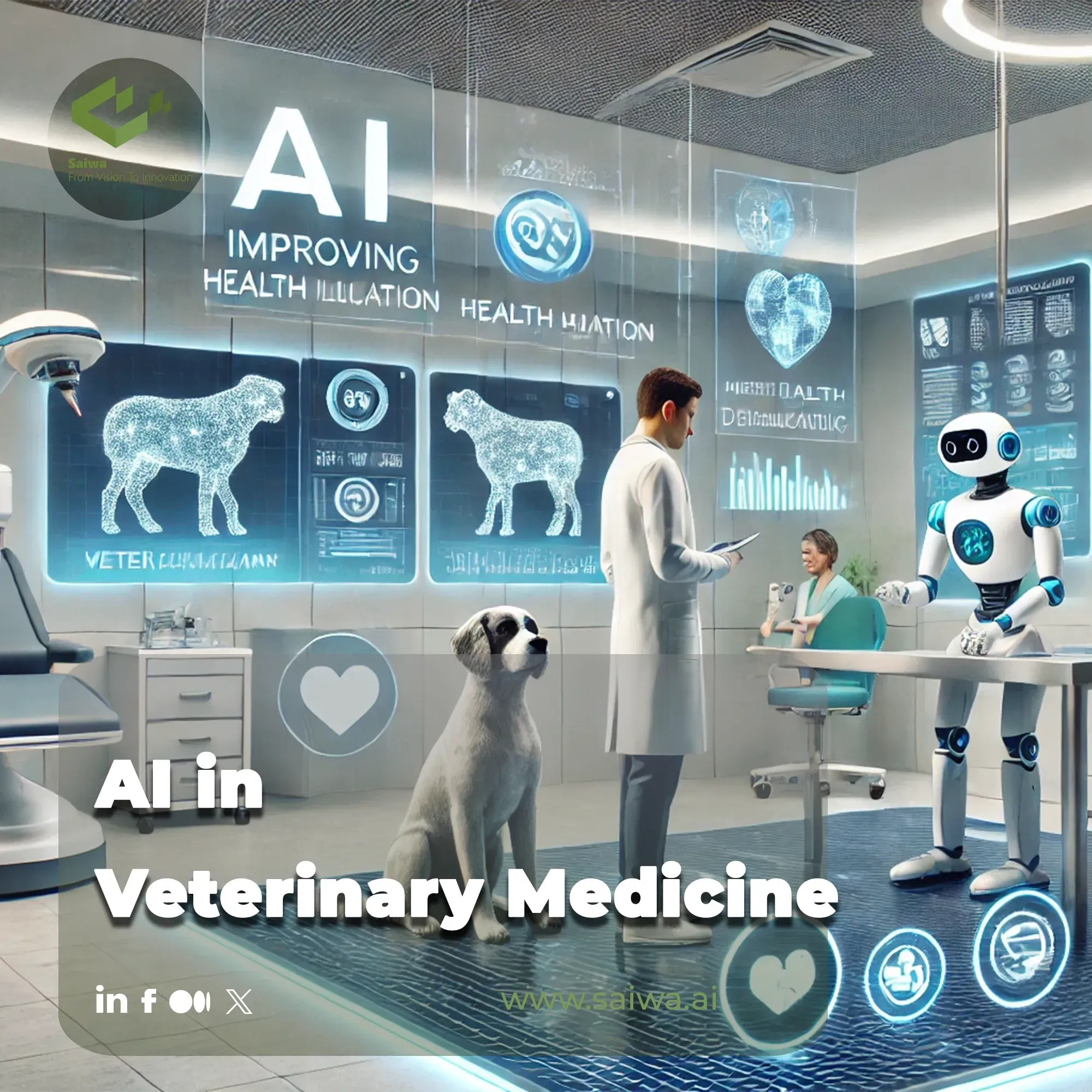
Artificial intelligence has moved from science fiction to everyday reality in veterinary medicine. Modern veterinary practices face increasing administrative burdens, staff shortages, and rising client expectations. AI-powered solutions are addressing these challenges head-on, transforming how clinics operate and deliver care.
Intelligent Appointment Scheduling
Traditional appointment booking systems require constant human oversight and often result in scheduling conflicts, no-shows, and inefficient use of clinic resources. AI-powered scheduling systems analyze historical data to predict optimal appointment times, automatically send reminders at the most effective moments, and even predict which appointments are at high risk of cancellation.
Clinics implementing AI scheduling have reported no-show reductions of up to 65 percent. The system learns from each interaction, continuously improving its predictions and recommendations. For busy veterinary practices, this translates to better resource utilization and increased revenue without adding staff.
Voice-Activated Record Management
Veterinarians spend significant time documenting patient visits, often typing notes while trying to maintain eye contact with concerned pet owners. AI voice assistants now allow veterinarians to update patient records hands-free during examinations, using natural language processing to understand medical terminology and context.
This technology reduces documentation time by approximately 40 percent, allowing veterinarians to see more patients or spend more quality time with each one. The voice assistant can also retrieve patient history, medication lists, and previous diagnoses on command, making the examination process more efficient.
Predictive Analytics for Patient Care
AI systems can analyze vast amounts of patient data to identify patterns and predict potential health issues before they become critical. By examining factors such as breed, age, medical history, and lifestyle, these systems can alert veterinarians to elevated risks for specific conditions.
For example, an AI system might flag a senior Labrador Retriever for hip dysplasia screening based on breed predisposition and age, even before symptoms appear. This proactive approach improves patient outcomes and strengthens the veterinarian-client relationship through demonstrated attentiveness.
Automated Client Communication
Maintaining regular communication with clients between visits improves compliance with treatment plans and strengthens client loyalty. AI-powered communication systems can automatically send personalized reminders for vaccinations, follow-up appointments, and medication refills based on each patient's specific needs.
These systems can also answer common client questions through chatbots, freeing up staff to handle more complex inquiries. The result is improved client satisfaction and reduced phone volume for front desk staff.
Inventory and Supply Chain Optimization
AI algorithms can predict inventory needs based on seasonal patterns, patient demographics, and historical usage. This prevents both stockouts of critical supplies and excess inventory that ties up capital. The system can automatically generate purchase orders when supplies reach predetermined thresholds.
For veterinary practices operating on thin margins, this optimization can significantly impact profitability while ensuring that necessary supplies are always available for patient care.
Looking Forward
The integration of AI into veterinary practice management is still in its early stages. As these systems become more sophisticated and accessible, even small practices will be able to leverage technology previously available only to large veterinary hospitals.
The key to successful AI adoption is choosing solutions that integrate seamlessly with existing workflows rather than requiring complete operational overhauls. Veterinary professionals should look for AI tools that enhance rather than replace the human elements of patient care that make veterinary medicine rewarding.
Ready to Transform Your Practice?
See how VetDesk can help you implement the strategies discussed in this article.
More Articles
What Is Veterinary Front Desk Relief and How It Helps Clinics Reduce Missed Calls
Veterinary clinics face front desk overload, leading to missed calls and staff burnout. Learn how front desk relief provides support without replacing your team.
Reducing No-Shows: Data-Driven Strategies for Veterinary Clinics
No-shows cost veterinary practices thousands in lost revenue annually. Learn proven strategies backed by data to dramatically reduce missed appointments.