Reducing No-Shows: Data-Driven Strategies for Veterinary Clinics
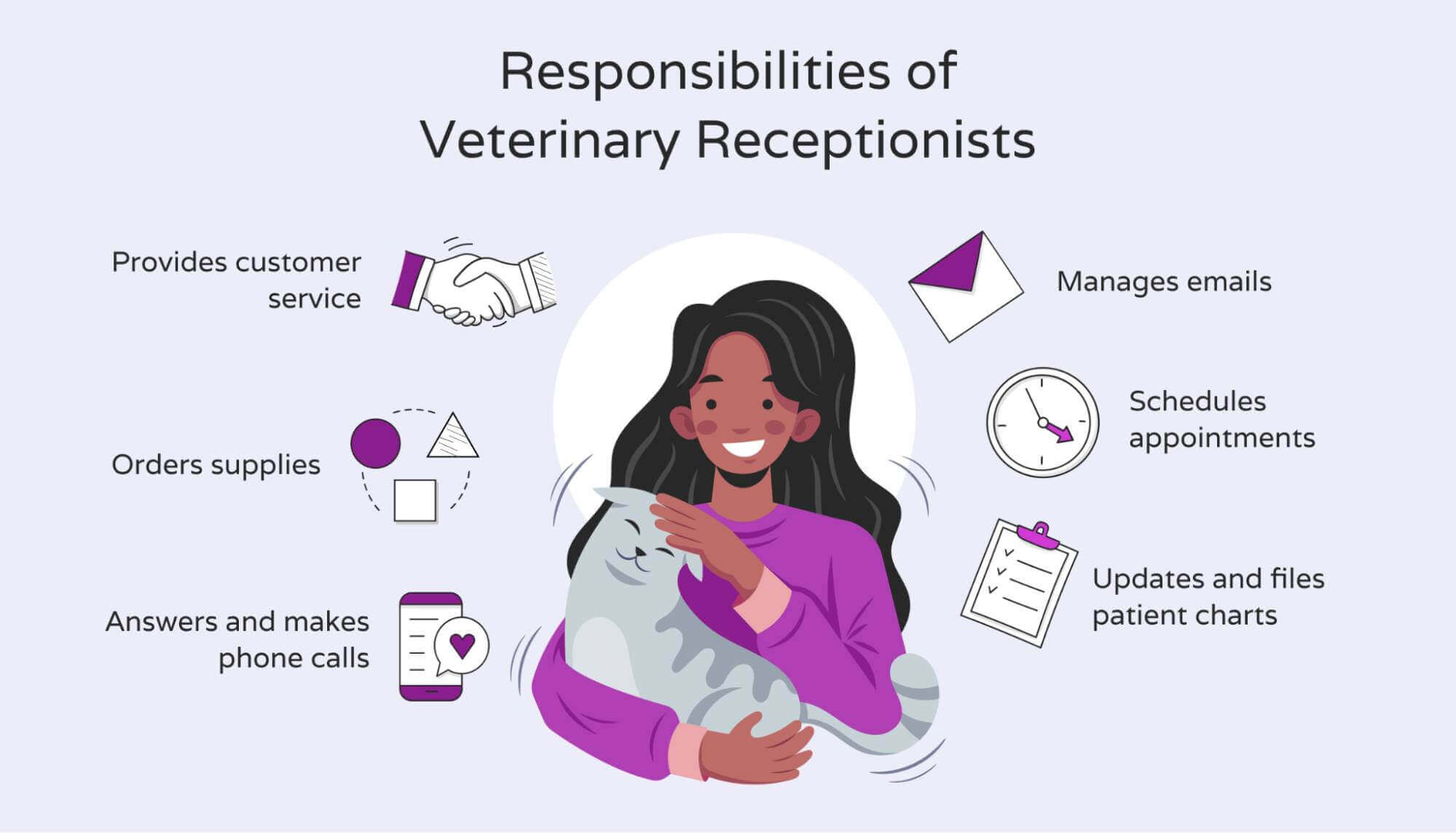
No-shows represent one of the most frustrating and costly challenges facing veterinary practices today. Each missed appointment means lost revenue, wasted staff time, and potentially compromised patient care. Understanding why clients miss appointments and implementing data-driven strategies can dramatically reduce no-show rates.
The True Cost of No-Shows
The financial impact of no-shows extends beyond the obvious lost appointment fee. When a client fails to show up, the clinic loses the opportunity to see another patient in that time slot. Staff members prepared for the appointment have their time wasted. Follow-up care may be delayed, potentially worsening patient outcomes.
Industry data suggests that the average veterinary practice experiences no-show rates between 15 and 30 percent. For a practice with 50 appointments per day at an average value of 150 dollars per visit, a 20 percent no-show rate translates to approximately 75,000 dollars in lost annual revenue. This figure doesn't account for the opportunity cost of turning away clients who could have filled those slots.
Understanding Why Clients Miss Appointments
Research into appointment adherence reveals several common reasons for no-shows. Clients simply forget about the appointment, particularly if it was scheduled weeks or months in advance. Unexpected conflicts arise, such as work obligations or family emergencies. Some clients experience financial constraints and feel embarrassed to cancel. Others may have resolved the initial concern that prompted the appointment booking.
Understanding these root causes allows practices to develop targeted interventions rather than applying one-size-fits-all solutions.
Timing Matters: When to Send Reminders
The timing of appointment reminders significantly impacts their effectiveness. Sending reminders too early means clients may forget again before the appointment. Sending them too late doesn't give clients enough time to rearrange their schedules if conflicts arise.
Data analysis from thousands of veterinary appointments reveals an optimal reminder strategy. An initial reminder sent seven days before the appointment allows clients to identify potential conflicts early. A second reminder 24 hours before the appointment serves as a final prompt. For high-value or complex appointments, an additional reminder two hours before the appointment can further reduce no-shows.
The method of reminder delivery also matters. Text messages have the highest open rates, with 98 percent of SMS messages being read within three minutes of receipt. Email reminders are less effective but still valuable, particularly for clients who prefer email communication. Phone call reminders are most effective for elderly clients or those with complex appointments requiring preparation.
Making Cancellation Easy
Paradoxically, making it easier for clients to cancel or reschedule appointments actually reduces no-shows. When clients face barriers to canceling, such as long phone hold times or limited office hours, they're more likely to simply not show up rather than go through the hassle of canceling.
Implementing online cancellation and rescheduling tools allows clients to make changes 24/7 without speaking to anyone. This removes the embarrassment factor for clients canceling due to financial concerns and accommodates clients with busy schedules who can't call during office hours.
Practices that implement easy cancellation systems report that while cancellation rates may initially increase slightly, no-show rates drop dramatically. The net effect is positive because cancelled appointments can be filled with other clients, while no-shows leave empty time slots.
Waitlist Management
Maintaining an active waitlist allows practices to fill cancelled appointments quickly. When a client cancels, automated systems can immediately notify waitlisted clients of the opening. This approach turns potential lost revenue into captured revenue.
Effective waitlist management requires segmentation. Some clients need urgent care and should be prioritized for short-notice openings. Others are scheduling routine care and can wait for their originally scheduled time. Matching waitlist urgency to available slots maximizes both revenue and client satisfaction.
Financial Policies and No-Shows
Implementing financial consequences for no-shows remains controversial in veterinary medicine. Some practices charge no-show fees, while others require credit card holds for appointments. These policies can reduce no-shows but may also damage client relationships if not implemented thoughtfully.
Data suggests that clearly communicated policies work better than punitive measures. Practices that explain the impact of no-shows on their ability to serve other patients and maintain affordable pricing often see improved adherence without formal penalties. For repeat offenders, requiring prepayment for future appointments provides a middle ground between no consequences and practice-wide policies.
Leveraging Technology
Modern practice management systems can identify patterns in no-show behavior. Some clients consistently miss Monday morning appointments but reliably attend Thursday afternoons. Others have seasonal patterns related to work schedules or school calendars. Identifying these patterns allows practices to schedule high-risk clients at times when they're more likely to attend.
Predictive analytics can flag high-risk appointments before they occur, triggering additional reminder touchpoints or staff follow-up calls. This targeted approach focuses resources where they'll have the greatest impact rather than treating all appointments equally.
Measuring Success
Tracking no-show rates over time allows practices to evaluate which strategies work. Breaking down data by appointment type, day of week, time of day, and client demographics reveals opportunities for targeted improvements. A practice might discover that Saturday morning appointments have significantly lower no-show rates than weekday evenings, informing future scheduling decisions.
Successful practices treat no-show reduction as an ongoing process rather than a one-time fix. Regular review of data and willingness to adjust strategies based on results leads to continuous improvement.
The Human Element
While technology and data drive many successful no-show reduction strategies, the human element remains crucial. Building strong relationships with clients increases their commitment to keeping appointments. When clients feel valued and respected, they're more likely to honor their commitments or communicate proactively when conflicts arise.
Staff training on empathetic communication when clients do miss appointments can preserve relationships while still addressing the issue. The goal is to understand why the no-show occurred and prevent future occurrences, not to shame or punish clients.
Conclusion
Reducing no-shows requires a multifaceted approach combining technology, policy, and human connection. Practices that implement comprehensive strategies typically see no-show rates drop by 50 percent or more, translating to significant revenue increases and improved patient care. The investment in reminder systems, online scheduling tools, and staff training pays for itself many times over through captured revenue and improved operational efficiency.
Ready to Transform Your Practice?
See how VetDesk can help you implement the strategies discussed in this article.
More Articles
What Is Veterinary Front Desk Relief and How It Helps Clinics Reduce Missed Calls
Veterinary clinics face front desk overload, leading to missed calls and staff burnout. Learn how front desk relief provides support without replacing your team.
5 Ways AI is Transforming Veterinary Practice Management in 2026
Discover how artificial intelligence is revolutionizing veterinary clinics, from automated appointment scheduling to predictive analytics for patient care.